What Is A Pressure Ulcer?
A pressure ulcer is an injury to the skin as a result of sustained pressure applied to the skin over time (friction and shear play a role as well). The pressure results in reduced blood flow and eventually causes skin breakdown and the development of an open wound. If the conditions leading to the sore are not rapidly corrected, the localized skin damage may spread to deeper tissue layers, affecting muscle, tendon, and bone. If not adequately treated, open ulcers can become a source of pain, disability, and infection.
Why is Prevention Important?
Prevention of pressure ulcers is key because treatment can be difficult. Prevention plans require the skin to be kept clean and moisturized, frequent careful changing of body position (with proper lifting, not rubbing across surfaces), use of special mattresses or supports, management of other contributing illnesses, and implementation of a healthy diet. Relieving or reducing the pressure on the area is essential.
How To Treat Heel Pressure Ulcers
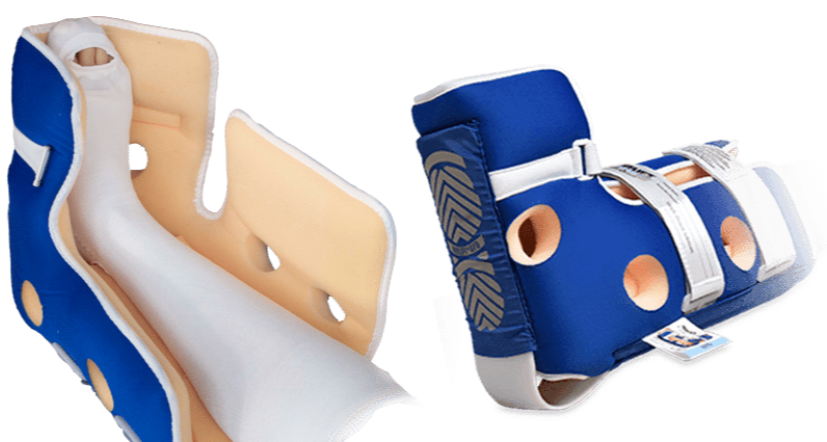
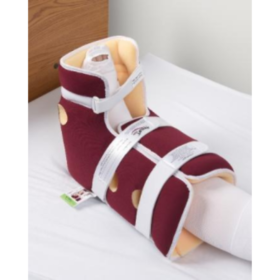
Overall, the most effective strategy to prevent and treat heel pressure ulcers is pressure redistribution. A professional heel-offloading device that floats the heel is usually recommended for successful pressure redistribution. The device needs to provide patient comfort and ease of use as it floats the heel. Appropriate offloading, adequate ventilation and friction-free materials are all important features for any product that will be used to prevent or treat heel pressure sores.
Semi-rigid Polypropylene Brace: the soft material of HEELIFT® AFOs, together with the semi-rigid polypropylene brace, provide the best possible control of the ankle’s position and motion.
Non-slip Traction Sole: allows patients to walk short distances, meaning you don’t have to remove and reapply the boot after the patient is transferred from the bed or wheelchair. Assistance is recommended.
- UltraTec Interior Lining
- Available in Standard Size
- Reusable anti-rotation wedge (univ. fit)
- Smooth or Convoluted Interior
- Available in Standard Size
- Ventilation holes provide additional air circulation
- Spare elevation pad for optional customization
KEY FEATURES:
- Allows the leg to glide easily across bed sheets and under covers.
- A longer forefoot area helps protect toes.
- Keeps the heel offloading boot in place and helps support the forefoot.
- Semi-rigid Polypropylene Brace: the soft material of Heelift AFOs, together with the semi-rigid polypropylene brace, provide the best possible control of the ankle’s position and motion.
- Non-slip Traction Sole: allows patients to walk short distances, meaning you don’t have to remove and reapply the boot after the patient is transferred from the bed or wheelchair. Assistance is recommended.







Reviews
There are no reviews yet.